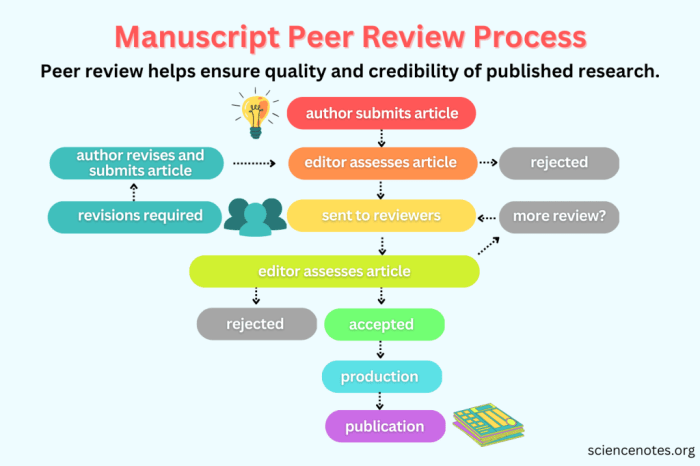
Grate peer-review methods serve as the backbone of academic publishing, ensuring the integrity and quality of scholarly work. By facilitating a critical evaluation process, these methods not only uphold standards but also foster collaboration and constructive feedback among researchers.
This exploration will delve into the various models of peer review, such as single-blind, double-blind, and open review, shedding light on their strengths and weaknesses. Additionally, we will address the challenges faced in implementing these processes and provide a comprehensive comparison to guide scholars in choosing the most effective approach for their work.
Grate Peer-Review Methods
Peer-review methods play a crucial role in the field of academic publishing. They ensure that research is scrutinized rigorously before being shared with the broader academic community. This process not only enhances the credibility of published work but also helps maintain the integrity of research standards. It is essential for researchers to understand the various peer-review models and the challenges involved in implementing these methods effectively.
Importance of Peer-Review Methods
The significance of peer-review methods in academic publishing cannot be overstated. They serve as a quality control mechanism that validates research findings. By involving experts in the same field, peer review helps to identify flaws, biases, and areas for improvement in research manuscripts. This collaborative assessment fosters scientific rigor and contributes to the overall advancement of knowledge.
Different Peer-Review Models
There are several peer-review models utilized in academic publishing, each with distinct characteristics:
- Single-blind review: Reviewers know the identities of the authors, but authors do not know who reviewed their work. This model can lead to bias but often provides a more straightforward review process.
- Double-blind review: Both authors and reviewers remain anonymous to each other. This model aims to reduce bias and encourage impartial evaluations.
- Open review: Both the identities of authors and reviewers are known. This approach promotes accountability and transparency but can deter some reviewers from providing honest feedback.
Challenges in Peer-Review Processes
Despite its importance, the peer-review process faces numerous challenges. Key issues include:
- Time consumption: The peer-review process can be lengthy, delaying the publication of important research findings.
- Reviewer availability: Finding qualified reviewers willing to dedicate time can be difficult and may lead to delays.
- Bias and conflicts of interest: Personal biases or conflicts can affect the fairness of the review.
Comparison of Peer-Review Methods
To better understand the strengths and weaknesses of various peer-review methods, refer to the table below:
| Method | Strengths | Weaknesses |
|---|---|---|
| Single-blind | Faster reviews, less bias towards well-known authors. | Potential for bias from reviewers. |
| Double-blind | Reduces bias, promotes fairness. | More complex, potential for logistical challenges. |
| Open | Transparency and accountability. | May deter honest feedback due to fear of repercussions. |
Education Queen
Influential educators have played a vital role in shaping modern educational practices. Their innovative approaches and dedication to student empowerment have transformed classrooms across the globe. Understanding the methods these educators utilize can provide valuable insights into fostering active participation and creating effective learning environments.
Role of Influential Educators
Prominent educators have introduced various teaching methods that break away from traditional practices, focusing instead on student-centered learning. Their contributions encourage critical thinking, creativity, and collaboration among students. These educators often serve as role models, inspiring others to adopt similar methods in their teaching.
Empowering Students
Empowering students is essential for promoting active participation in learning. By incorporating strategies such as:
- Encouraging student voice and choice in projects.
- Implementing collaborative group work.
- Utilizing technology to facilitate personalized learning experiences.
these educators create an environment where students feel valued and invested in their education.
Successful Educational Programs
Several educational programs led by prominent educators have demonstrated success in engaging students and enhancing their learning experiences. For example, programs focusing on project-based learning have shown to increase student motivation and retention of knowledge. These initiatives often incorporate real-world problems, allowing students to apply what they learn in meaningful ways.
Education Delightful
Innovative teaching techniques can make learning not only effective but also enjoyable. By integrating creativity, technology, and engagement strategies, educators can foster a positive learning atmosphere that motivates students.
Innovative Teaching Techniques
Some creative teaching methods include:
- Interactive storytelling, where students participate in narrating a story.
- Hands-on experiments that allow students to see concepts in action.
- Discussion-based learning, promoting dialogue and critical thinking.
Impact of Gamification
Gamification in educational settings has revolutionized how students interact with learning material. By incorporating game elements such as rewards, competitions, and challenges, educators can boost student engagement and motivation. Research indicates that students are more likely to participate actively when learning is framed as a game.
Activities to Enhance Engagement
To further enhance student engagement, educators can implement activities such as:
- Group projects that encourage collaboration.
- Debates on current topics to develop critical thinking skills.
- Creative writing assignments that allow for self-expression.
Education Trap
Education systems often face common pitfalls that hinder student success. Recognizing and addressing these issues is critical in creating effective learning environments.
Common Pitfalls in Education
Several factors contribute to disengagement among students, including:
- Overemphasis on standardized testing, which can stifle creativity.
- Lack of relevance in curriculum, making material feel disconnected from real life.
- Insufficient support for diverse learning needs.
Addressing Disengagement
To combat disengagement, educators can:
- Implement differentiated instruction to meet varying student needs.
- Incorporate real-world applications into lessons to enhance relevance.
- Foster a supportive classroom environment that encourages questions and exploration.
Promoting Critical Thinking
Avoiding the trap of rote learning requires strategies that promote critical thinking. Educators can:
- Encourage inquiry-based learning approaches.
- Utilize problem-solving tasks that require analytical skills.
- Facilitate discussions that challenge students to think beyond surface-level answers.
Education Chop
Streamlining curriculum is essential for enhancing learning experiences. By focusing on essential skills and cutting unnecessary content, educators can create more impactful learning pathways.
Methods for Streamlining Curriculum
Effective curriculum design should prioritize:
- Core competencies that students must master.
- Interdisciplinary connections that make learning cohesive.
- Flexible pacing that allows for deeper exploration of topics.
Cutting Unnecessary Content
Educators need to critically evaluate their curriculum to identify and remove redundant content. By concentrating on what truly enriches student understanding, they can enhance overall educational integrity.
Examples of Effective Curriculum Design
Successful curriculum examples often include:
- Integrated STEM programs combining science, technology, engineering, and math.
- Humanities courses that foster critical thinking through literature and history.
- Project-based learning units that encourage student ownership and exploration.
Education Destroy
Negative practices can significantly undermine educational development, impacting student outcomes. Identifying these practices is crucial for creating a positive learning environment.
Negative Practices in Education
Several detrimental practices include:
- Over-reliance on lecturing, which diminishes student engagement.
- Lack of constructive feedback, leaving students unaware of their progress.
- Ignoring social-emotional learning, which is vital for holistic development.
Implications of Poor Teaching Methods
Ineffective teaching methods can lead to:
- Increased dropout rates due to lack of support.
- Lower student motivation and overall performance.
- Development of negative attitudes towards learning.
Solutions for Positive Alternatives
To replace destructive practices, educators can:
- Adopt active learning strategies to foster engagement.
- Implement regular feedback mechanisms to guide student growth.
- Integrate social-emotional learning into the curriculum.
Education Skip
Skipping foundational knowledge can severely impact student learning. Addressing these gaps is essential to ensure all students have the opportunity to succeed.
Impact of Skipping Foundational Knowledge
When students miss critical concepts, it can result in:
- Difficulty in understanding advanced topics.
- Increased frustration and disengagement from learning.
- Lower overall academic performance.
Strategies to Bridge Gaps
To support students who lack foundational knowledge, educators can:
- Implement targeted remedial programs focusing on essential skills.
- Utilize individualized learning plans to address specific gaps.
- Encourage peer tutoring to foster a supportive learning community.
Framework for Remedial Programs
A successful remedial program should include:
- Assessment of current knowledge to identify gaps.
- Tailored instruction that builds on existing skills.
- Regular progress monitoring to ensure effectiveness.
Education Grate
Constructive feedback is vital in the learning process, guiding students towards improvement. Understanding effective feedback methods can enhance student learning outcomes.
Significance of Constructive Feedback
Providing constructive feedback is crucial for helping students understand their strengths and areas for improvement. This ongoing dialogue can foster a growth mindset and encourage resilience in learning.
Best Practices for Effective Feedback
To offer impactful feedback, educators can:
- Use specific, actionable language that clearly Artikels improvements.
- Provide feedback in a timely manner to reinforce learning.
- Encourage self-reflection by prompting students to evaluate their work.
Feedback Techniques and Effectiveness
The table below illustrates various feedback techniques and their effectiveness:
| Technique | Effectiveness |
|---|---|
| Immediate Feedback | High |
| Peer Feedback | Moderate |
| Written Comments | High when specific |
Education Learned
Lifelong learning has become increasingly important in today’s rapidly changing world. Cultivating a culture of continuous learning among students is essential for their personal and professional growth.
Importance of Lifelong Learning
In an age where knowledge evolves quickly, embracing lifelong learning enables individuals to adapt and thrive. This mindset encourages curiosity and a desire for self-improvement.
Encouraging Continuous Learning
To foster a culture of lifelong learning, educators can:
- Model learning behaviors by sharing their learning experiences.
- Encourage exploration of diverse topics beyond the curriculum.
- Provide resources and opportunities for professional development.
Resources for Lifelong Educational Journeys
Examples of valuable resources that support lifelong learning include:
- Online courses and webinars.
- Podcasts focused on personal development.
- Books and articles in various fields of interest.
Education Faint
Recognizing the signs of student burnout and disengagement is crucial for supporting struggling learners. Addressing these issues proactively can lead to positive outcomes.
Signs of Student Burnout
Common indicators of burnout include:
- Declining academic performance and lack of motivation.
- Increased absences or tardiness.
- Withdrawal from social interactions and classroom activities.
Supporting Struggling Students
To assist students dealing with burnout, educators can:
- Foster open communication to identify underlying issues.
- Implement flexible deadlines and workload adjustments.
- Encourage participation in wellness programs that promote self-care.
Building Resilience in Students
Creating a resilient mindset is essential for coping with academic challenges. Strategies include:
- Teaching stress management techniques.
- Encouraging a positive outlook through mindfulness practices.
- Promoting a growth mindset that embraces challenges as learning opportunities.
Education Comb
Integrating different subjects can create a cohesive learning experience for students. This interdisciplinary approach enhances understanding and retention of knowledge.
Methods for Integration
Educators can employ several methods for integrating subjects, such as:
- Thematic units that explore a central topic across disciplines.
- Collaborative projects that require knowledge from multiple subjects.
- Real-world problem-solving tasks that connect various fields.
Examples of Interdisciplinary Approaches
Successful interdisciplinary projects often involve:
- STEAM initiatives that combine science, technology, engineering, arts, and mathematics.
- History and literature projects that explore cultural contexts.
- Environmental studies that incorporate science, geography, and ethics.
Chart of Successful Projects
A visual representation of interdisciplinary projects can highlight successful cases. For example:
- Collaborative art installations that address social issues.
- Community service projects involving science and social studies.
- Cross-grade projects linking elementary and middle school students.
Education Zany
Creative teaching methods can inject fun and excitement into the classroom. Unconventional learning experiences often lead to increased student engagement.
Exploring Creative Teaching Methods
Examples of creative teaching strategies include:
- Incorporating art and music into core lessons.
- Utilizing role-playing activities to explore historical events.
- Hosting themed learning days that encourage creativity.
Unconventional Learning Experiences
Educators can implement unique experiences such as:
- Field trips that provide hands-on learning opportunities.
- Guest speakers from various fields to inspire students.
- Outdoor learning sessions that connect students with nature.
Integrating Humor and Creativity
Injecting humor and creativity into lesson plans can enhance student engagement. Techniques include:
- Using storytelling to present complex concepts in an accessible way.
- Incorporating games and playful activities into lessons.
- Encouraging students to create their own humorous content related to the subject matter.
Education Twist
Innovating traditional teaching methods can significantly improve student engagement. Approaches such as flipped classrooms and project-based learning have gained popularity for their effectiveness.
Innovative Twists on Teaching Methods
Examples of innovative teaching methods include:
- Flipped classrooms where students learn new content at home and engage in hands-on activities in class.
- Project-based learning that emphasizes real-world applications of knowledge.
- Peer teaching where students take turns leading lessons.
Examples of Flipped Classrooms
Flipped classrooms offer a dynamic learning experience. For instance:
- Students watch video lectures at home and participate in interactive discussions in class.
- Class time is used for collaborative problem-solving rather than direct instruction.
- Homework assignments are designed to reinforce class concepts through application.
Resources for Implementing Twists
To aid educators in implementing these methods, resources include:
- Online platforms for sharing teaching materials and lesson plans.
- Workshops and training sessions focused on innovative teaching.
- Community forums for educators to exchange ideas and strategies.
Education Elbow
Collaboration and teamwork are essential components of effective education. Fostering a collaborative environment enhances students’ ability to work together and learn from one another.
Role of Collaboration in Education
Collaboration in educational settings promotes a sense of community. It encourages students to develop interpersonal skills, share diverse perspectives, and build relationships with peers.
Strategies for Effective Group Work
To promote successful group work, educators can:
- Clearly define roles and responsibilities within groups.
- Encourage open communication and respectful discourse.
- Provide structure while allowing for flexibility in group dynamics.
Examples of Successful Group Projects
Successful group projects highlight the importance of teamwork. Examples include:
- Service-learning projects that benefit the community while fostering collaboration.
- Research projects where students present findings together.
- Creative presentations that require input from all group members.
Education Whip
Engaging educational content is vital for maintaining student interest. Techniques to “whip” content into digestible formats can enhance the learning experience.
Techniques for Engaging Content
Educators can employ various techniques to make content more engaging:
- Utilizing multimedia presentations to support diverse learning styles.
- Incorporating interactive elements into lessons, such as quizzes and polls.
- Breaking down complex topics into smaller, manageable segments.
Examples of Multimedia Tools
To enhance learning experiences, educators can leverage multimedia tools such as:
- Video editing software to create informative videos.
- Digital storytelling platforms that allow for creativity.
- Interactive whiteboards that facilitate collaborative learning.
Effective Use of Technology
Using technology effectively can keep students interested. Strategies include:
- Integrating learning management systems for organized content delivery.
- Encouraging students to use educational apps for additional practice.
- Providing access to online resources that complement classroom learning.
Epilogue
In summary, understanding grate peer-review methods is essential for anyone involved in academic publishing. By recognizing the nuances of different models and the challenges they present, researchers can navigate the peer-review landscape more effectively, ultimately enhancing the credibility and impact of their work.
General Inquiries
What is the main purpose of peer review?
The main purpose of peer review is to evaluate the quality, validity, and originality of a manuscript before publication, ensuring that only credible research is disseminated.
How does a double-blind review differ from a single-blind review?
In a double-blind review, both the reviewers and authors remain anonymous to each other, while in a single-blind review, only the reviewers know the authors’ identities.
What are common challenges in peer review?
Common challenges include biases from reviewers, variability in review quality, and the potential for conflicts of interest that may affect impartiality.
How can authors respond to peer review feedback?
Authors can respond by addressing reviewers’ comments thoroughly, making necessary revisions, and providing a clear explanation of changes made in their manuscript.
What is the significance of open peer review?
Open peer review promotes transparency by allowing both authors and reviewers to see each other’s identities and feedback, encouraging constructive dialogue and accountability.